Description
Premium Jaw Plates for Metso C Series Crusher Jaw Crusher
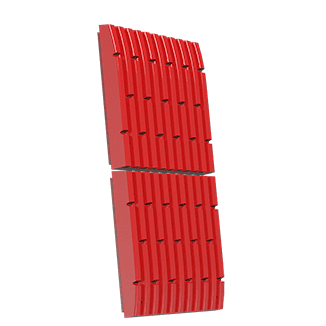
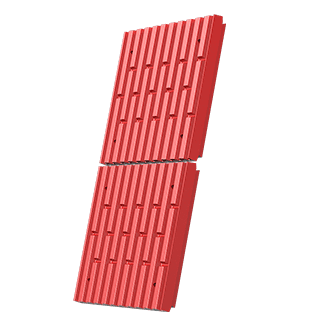
SUNWE manufactures high-availability aftermarket Jaw Plates strictly designed for Metso C Series Jaw Crusher models. As critical primary wear parts, our jaw dies guarantee an exact mechanical fit and seamless installation. We engineer these plates to stabilize your crusher’s operational efficiency and reduce cost-per-ton. Whether your site runs a compact C80 or a high-capacity C200, our solutions optimize your chamber’s crushing force and throughput.

Smart Maintenance Engineering Lowering Your TCO
Our replacement Jaw Plates feature reversible designs to prolong component lifespan on site. Operators can simply turn or flip the jaw dies regularly to ensure even wear across the lower crushing zone. Furthermore, precision-machined assembly profiles eliminate the need for backing fillers, saving valuable labor time during changeouts. Our wear parts significantly lower your total cost of ownership (TCO) by minimizing non-scheduled downtime.
Specifications of SUNWE Jaw Plates Replacement
| Technical Feature | Metso C Series Application Benefit |
| Compatible Equipment | Direct replacement for Metso Nordberg C80, C96, C100, C110, C120, C140, C160, etc. |
| Core Material Options | High Manganese Steel, Medium Manganese Steel, Low Alloy Cast Steel, High-Chromium Composite |
| Available Profiles | Corrugated Jaws, Quarry Style Flatter Jaws, Sharp Toblerone Jaws |
| Maintenance Benefit | Fully reversible layout with backing-free mechanical fit to optimize on-site Uptime |
Quick Reference: Jaw Plates for Metso C Series Crusher
| C Series Model | Feed Opening (mm) | Common Tooth Profiles | Standard Material Grade |
|---|---|---|---|
| C80 | 510 x 800 | Corrugated, Quarry, Superteeth | Mn13, Mn18 |
| C100 | 760 x 1000 | Quarry, Super Grip, MX | Mn18, Mn22 |
| C110 | 800 x 1100 | Quarry, Superteeth, MX | Mn18, Mn22 |
| C120 | 820 x 1200 | Quarry, Anti-Slab, MX | Mn18, Mn22 |
| C140 | 1000 x 1400 | Quarry, MX, Super Grip | Mn18, Mn22 |
| C145 | 1060 x 1450 | Quarry, MX, Coarse Corrugated | Mn22, MX composite |
| C160 | 1200 x 1600 | Quarry, MX, Super Grip | Mn22, MX composite |
| C200 | 1500 x 2000 | Quarry, MX, Coarse Corrugated | Mn22, MX composite |
What Are Jaw Plates and Why Material Choice Matters
Jaw plates sit inside the crushing chamber of a jaw crusher. One plate stays fixed while the other swings back and forth, squeezing feed material between them until it breaks down to your target size. Every ton of rock that passes through the machine grinds against these surfaces, so the material they are made from directly controls how long you can run before a replacement is needed.

For Metso Nordberg C Series crushers — the workhorse lineup found in quarries, mining operations, and recycling plants worldwide — the right jaw plates do more than just last longer. They help maintain consistent output gradation, reduce downtime, and lower your cost per ton of crushed material.
Getting the most out of your Metso C Series jaw crusher starts with one critical component — the jaw plates. These wear parts take the brunt of every crushing cycle, and picking the wrong material or tooth profile can drain your budget fast. This guide covers the four main jaw crusher plate materials, the tooth designs that matter for each application, and how to match them to your specific C Series model — from the compact C80 all the way up to the heavy-duty C200.
High Manganese Steel Jaw Plate
High manganese steel (commonly graded as Mn13 or Mn18) has been the default jaw plate material for decades. Its biggest advantage is work hardening — the surface becomes harder each time impact from feed material strikes it. Under strong impact conditions, this self-hardening effect gives excellent wear resistance.
However, there is a catch. Modern jaw crusher designs sometimes feature a large nip angle between the fixed and moving plates. When abrasive rock slides across the surface instead of impacting it directly, the steel does not harden properly. The result is a relatively soft surface that wears down faster than expected, especially in highly abrasive applications like granite or quartz processing.
For Metso C Series machines processing non-abrasive gravels and lightly blasted rock, high manganese steel jaw plates still offer a reliable, cost-effective choice. XT710 grade manganese steel — the standard alloy used across the C Series lineup — delivers solid performance in these conditions.
Medium Manganese Steel Jaw Plate
Medium manganese steel was developed to solve a specific problem: high manganese steel does not harden well under moderate or low impact. In applications where the feed material is softer or the crushing force is less intense, standard Mn13 plates stay too soft and wear quickly through a combination of cutting and plastic deformation.
Medium manganese steel offers higher initial hardness and better yield strength out of the gate. That means it starts resisting wear from day one, without waiting for sufficient impact to trigger work hardening. This makes it a strong candidate for recycling operations, asphalt crushing, and secondary crushing stages where impact energy is lower.
High Chromium Cast Iron and High Manganese Steel Composite Jaw Plate
High chromium cast iron ranks among the best wear-resistant materials available — its hardness far exceeds that of standard manganese steel. But there is a trade-off: chromium cast iron is brittle. Under heavy impact or repeated compression, it tends to crack or spall rather than wear gradually.
The solution is a composite jaw plate that bonds a high chromium wear layer to a manganese steel substrate. Grades like Mn13Cr2 and Mn18Cr2 combine the surface hardness of chromium iron with the impact toughness of manganese steel. The hard face resists abrasive wear while the ductile backing absorbs shock and prevents catastrophic failure.
In the Metso C Series context, this approach is most visible in the MX jaw plate technology. MX plates use a manganese steel base with a special wear-resistant alloy overlay on the crushing surface. According to Metso application data, MX plates can last up to two to three times longer than standard manganese steel jaws in abrasive quarry applications — which means fewer change-outs, less downtime, and measurable savings on wear part costs.
Low Alloy Cast Steel Jaw Plate
Medium carbon low alloy cast steel occupies a different niche. Its appeal lies in the ability to fine-tune hardness and toughness across a wide range through adjustments in alloy composition and heat treatment. Where manganese steels rely on impact to reach their full hardness, low alloy cast steel can be heat-treated to a consistent hardness before it ever enters the crusher.
This makes low alloy cast steel jaw plates well-suited for applications with moderate impact and a need for predictable, even wear. They resist both cutting wear from abrasive particles and fatigue spalling from repeated material compression. For smaller C Series models like the C80 or C96 operating in less demanding conditions, low alloy cast steel offers a practical balance of cost and performance.
Matching Jaw Plate Materials to Your Crushing Application
The table below summarizes which jaw crusher plate material fits best for common C Series operating conditions.
| Application | Recommended Material | Key Reason |
|---|---|---|
| Non-abrasive gravel, lightly blasted rock | High manganese steel (Mn13/Mn18) | Cost-effective with adequate work hardening |
| Abrasive granite, quartz, hard rock | Composite (Mn18Cr2) or MX plates | Surface hardness resists cutting wear |
| Asphalt recycling, secondary crushing | Medium manganese steel | Higher initial hardness without strong impact |
| Moderate impact, predictable wear | Low alloy cast steel | Tunable hardness via heat treatment |
Tooth Profile Selection for Metso C Series Crusher Jaw Plates
Material choice only tells half the story. The shape of the jaw plate surface — called the tooth profile or jaw die — has a direct effect on crushing efficiency, product shape, and wear rate. Metso offers several tooth profiles across the C Series range, each designed for specific feed types and output goals.
Corrugated Jaw Plates
Corrugated jaws feature a wavy, ridge-and-valley surface pattern. The ridges concentrate crushing force on smaller areas of the feed material, which improves grip on irregular rocks. This profile works best in primary crushing applications handling hard aggregate, concrete, and larger pieces of asphalt.
The main drawback is faster wear compared to flatter profiles. The sharp ridges erode quickly under abrasive conditions, so corrugated plates are most cost-effective when the feed material is hard but not highly abrasive.
Quarry Style Jaw Plates
Quarry jaw dies carry a flatter, more even surface with moderate tooth depth. They are built for long service life in demanding quarry environments — especially when processing abrasive, blasted rock. Because the flatter profile distributes wear more evenly across the plate surface, quarry-style jaws typically outlast corrugated designs in hard rock applications.
For C Series operators running primary crushing on abrasive granite or basalt, quarry-style plates in Mn18 or Mn22 grade steel represent the most common and reliable choice.
Superteeth Jaw Plates
Superteeth profiles use an optimized tooth spacing pattern that balances grip and throughput. The design improves material flow through the crushing chamber while maintaining good bite on the feed. This profile works well for both gravel and blasted rock, making it a versatile option when the feed material varies throughout the day.
Anti-Slab and Quarry Plus Super Grip
Anti-slab profiles are specifically engineered to reduce the production of flat or slab-shaped particles — a common problem when feeding natural, slabby rock into the crusher. The tooth geometry forces material to rotate and break on its shortest axis, producing a more cubical product.
The Quarry + Super Grip profile combines the wear resistance of a quarry-style plate with deeper gripping teeth, making it effective for difficult-to-crush natural rock and highly abrasive feed.
Coarse Corrugated
Coarse corrugated jaws use larger, more widely spaced corrugation patterns compared to standard corrugated plates. This design improves material flow through the chamber, reduces the chance of material bridging, and provides better wear life than fine corrugation in abrasive conditions.
One-Piece vs. Two-Piece Jaw Plates for C Series Crusher
Metso C Series jaw plates come in two configurations: one-piece and two-piece designs. Each has practical advantages depending on your operation.
One-piece jaw plates cover the full crushing surface in a single component. Their benefits include faster replacement times, fewer spare parts to stock, and a symmetric design that allows the plate to be rotated when the bottom section wears down — effectively doubling the useful life before a full replacement is needed. These qualities make one-piece plates popular on mobile crushing plants where downtime must be kept to a minimum.
Two-piece jaw plates split the crushing surface into upper and lower segments. The advantage is longer overall wear life because the upper segment — which sees less wear in most applications — can be retained while only the heavily worn lower section gets replaced. This reduces material waste and can lower the total cost of ownership for stationary installations where change-out logistics are less time-sensitive.
Knowing When to Replace Your C Series Crusher Jaw Plates
Running worn jaw plates past their useful life hurts production in several ways. Output gradation becomes inconsistent, throughput drops, and the added stress can damage other crusher components. Here are the signs that tell you it is time for a change.
For C Series crushers with rear-locking wedges, replace jaw plates when the remaining thickness reaches 60 à 65 mm. For top-locking wedge models, the threshold is lower — 20 à 25 mm of remaining material. With one-piece plates, a good practice is to rotate the plate when tooth wear reaches roughly 30 percent, then replace entirely once the bottom section is fully worn.
Beyond thickness measurements, watch for visible cracking or chipping on the jaw surface, uneven wear patterns, and a noticeable drop in crushing efficiency or output quality.
Maximizing Crusher Jaw Plate Life: Practical Tips
No matter which material or tooth profile you choose, a few operational habits can stretch the service life of your jaw plates significantly.
First, control your feed size. Keeping the largest feed particles at roughly 80 percent of the crusher’s feed opening prevents oversized material from wedging in the chamber and causing uneven wear.
Second, maintain a consistent feed rate. An even, well-distributed feed keeps the crushing chamber full and allows the jaw plates to work efficiently across their full surface. Intermittent or uneven feeding concentrates wear on small sections of the plate.
Third, screen out fines before they enter the crusher. Particles smaller than the closed side setting (CSS) do not need crushing — they simply slide through the chamber and accelerate abrasive wear on the jaw plates without contributing to production.
Finally, make flipping and rotating part of your regular maintenance schedule. Most C Series jaw plates can be rotated to present a fresh surface to the feed material, and this simple step can extend wear life by 30 à 50 percent in many applications.
Frequently Asked Questions
What jaw crusher plate material lasts longest in abrasive rock?
Composite plates using high chromium cast iron on a manganese steel base — such as Mn18Cr2 or Metso MX technology — deliver the longest wear life in highly abrasive applications like granite and quartz crushing.
Can I use medium manganese steel for primary crushing?
Medium manganese steel works best under moderate or low impact conditions. For primary crushing of hard, abrasive rock, high manganese or composite materials are generally a better choice because they handle higher impact loads while still resisting wear.
How do MX jaw plates differ from standard manganese plates?
MX plates use a manganese steel substrate with a bonded wear-resistant alloy overlay on the crushing surface. This composite structure delivers up to two to three times the wear life of standard Mn18 plates in abrasive conditions, with minimal impact on crusher performance.
When should I rotate or flip my jaw plates?
For one-piece C Series jaw plates, rotate when tooth wear reaches approximately 30 percent. This presents the less-worn upper section to the feed material and extends service life before a full replacement is needed.
Do tooth profiles really affect crushing performance?
Yes. The tooth profile controls how feed material grips, breaks, and flows through the chamber. A corrugated profile improves grip on irregular rock, a flat quarry profile maximizes wear life, and anti-slab profiles reduce flat particle production. Matching the profile to your feed type and output requirements has a measurable impact on both product quality and cost per ton.
How do I know it is time to replace the Jaw Plates on my Metso C Series crusher?
You should schedule a replacement when you notice severe wear on the lower part of the plates, visible surface cracks or chipping, uneven final output material size, or a significant drop in hourly production efficiency.
Which tooth design is best for processing recycled concrete and asphalt?
For secondary stages or recycling applications requiring finer output sizes, Toblerone jaws with sharp triangular points are highly effective. For primary crushing of large asphalt blocks, corrugated jaws provide better gripping action.
How can operators reduce the wear and tear rate on jaw crusher plates?
To extend plate life, operators must avoid oversized feed material, run water-based dust suppression systems to reduce abrasive fines, and regularly flip or rotate the plates to promote uniform wear.